Articles
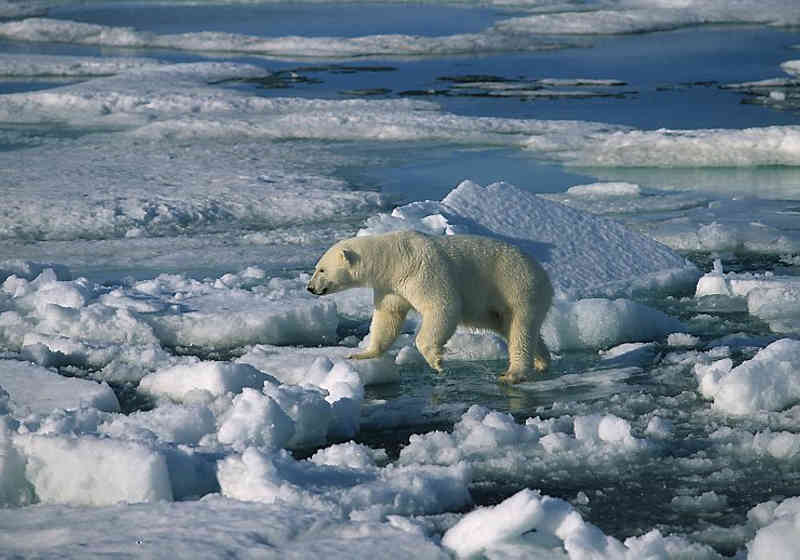
Research on ice-dependent ecosystems in the Arctic
Last updated:
ICE Ecosystems is a research programme that focuses on Arctic species that are threatened by future climate change; ice fauna, zooplankton, polar cod, polar bears, ringed seals and ivory gulls.
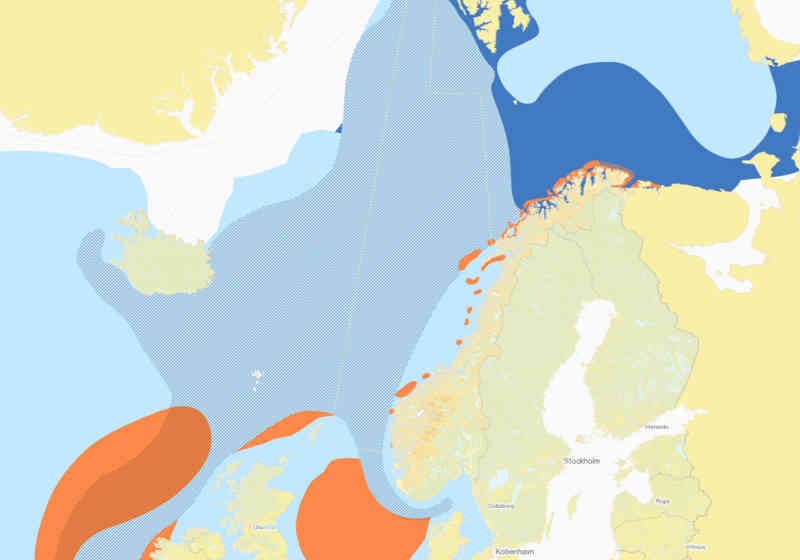
What can you see?
Last updated:
The map comparisons you can see here visualize the dynamics of our waters throughout the year and from year to year. The services will provide a better basis for understanding and managing stocks and activities in coastal and marine areas in the north.
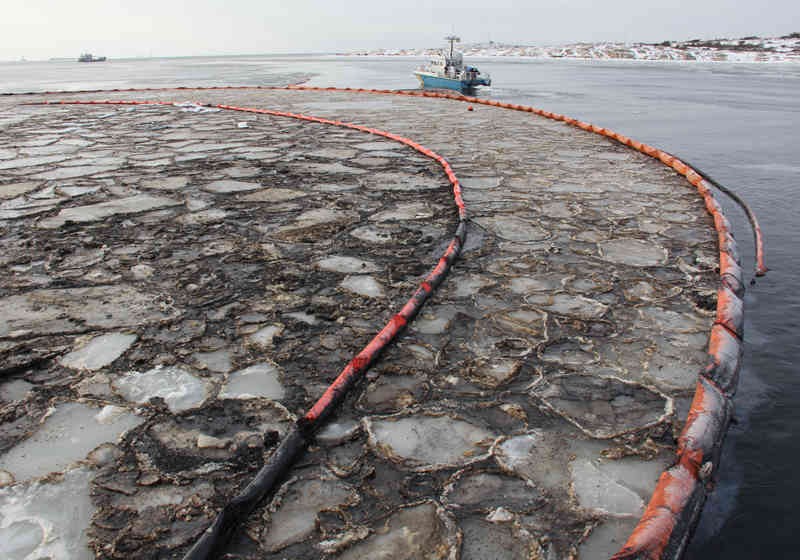
Acute oil spills to sea and ocean
Last updated:
It is assumed that several million tons of oil is discharged into rivers and oceans worldwide every year. Some of this oil contamination consists of acute spills.
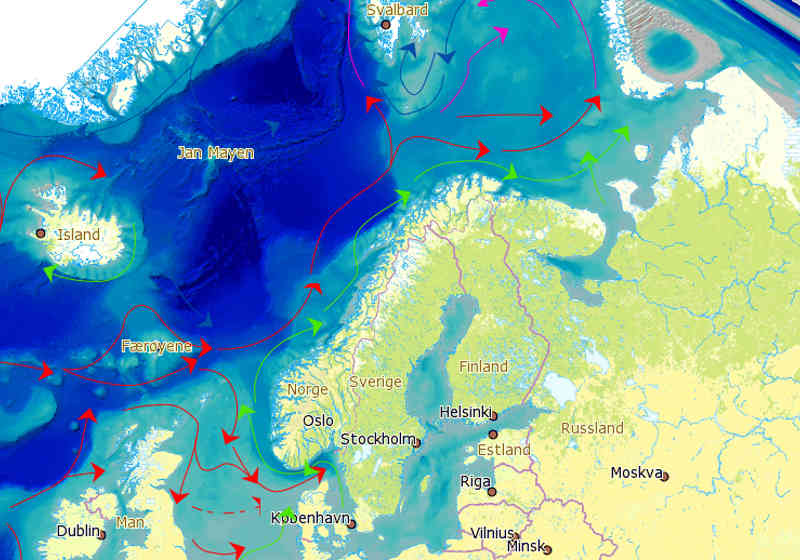
Ocean currents
Last updated:
Ocean currents are essential for life in the sea – and for the climate of the lands that border on the waters.
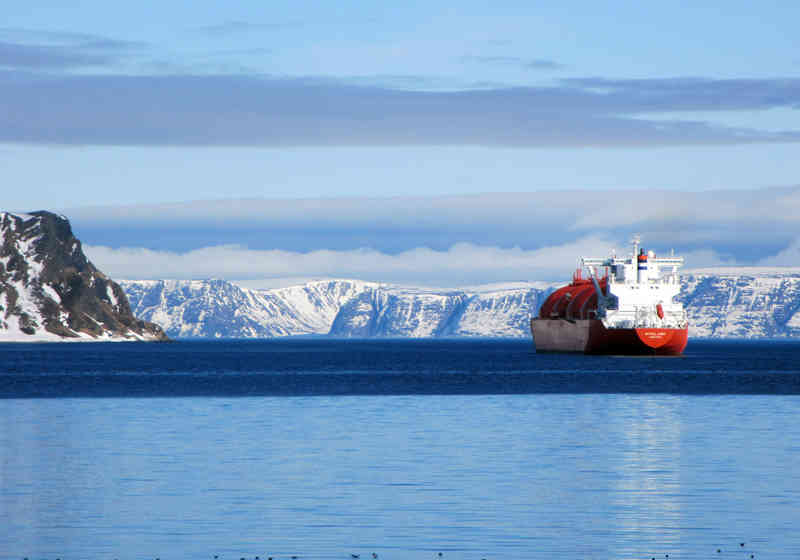
Environmental impact of maritime traffic
Last updated:
Vessel movements in the seas off Norway are on the increase. The environmental effect of this activity depends in part on developments in the petroleum sector, where great uncertainty prevails about future trends.
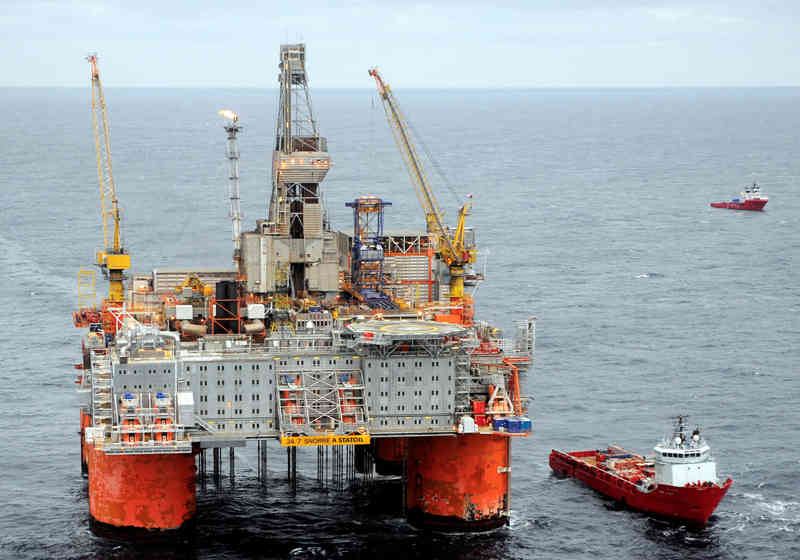
Environmental impact of oil and gas activities
Last updated:
The petroleum sector is the largest source of greenhouse gas (GHG) emissions in Norway. Efforts are being made to develop improved methods to monitor the industry’s impact on marine life.
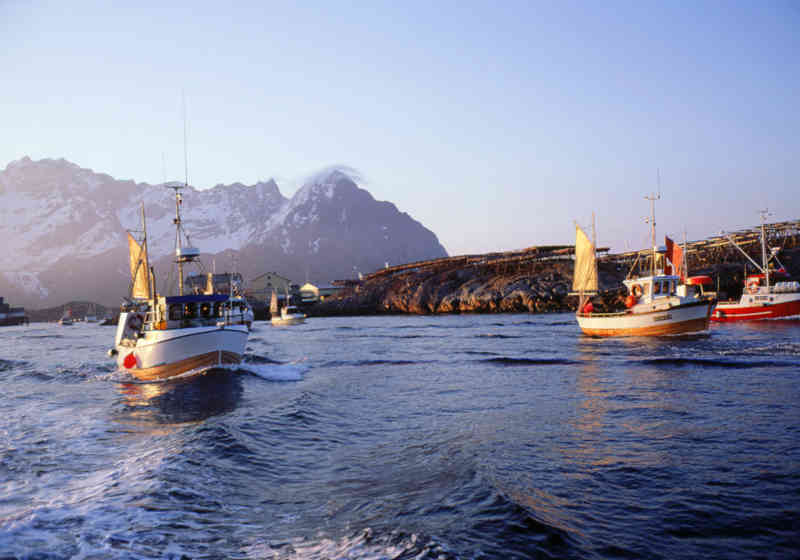
Achieving a sustainable fishery
Last updated:
Seafood ranks as Norway’s second-largest export industry. To maintain this sector, the country must manage its marine natural resources sustainably and keep its seas clean and productive.
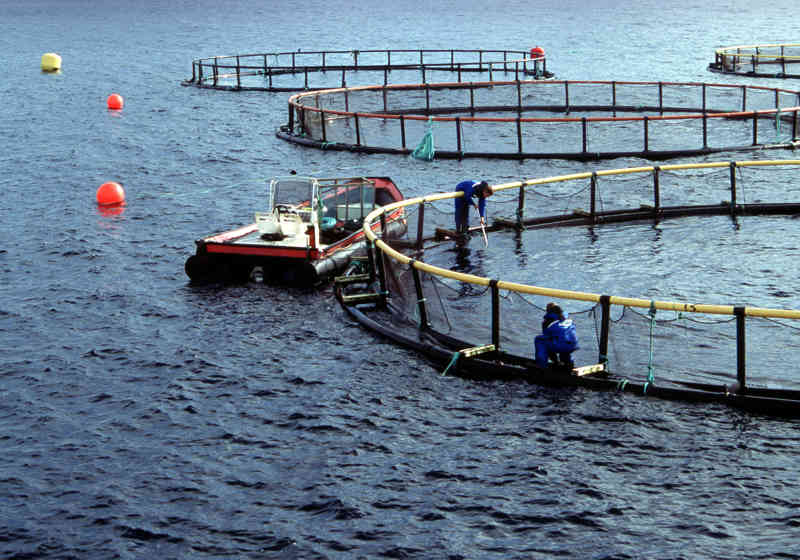
Growth for fish farming – and its problems
Last updated:
Norway’s aquaculture industry is expanding fast. Its biggest environmental impacts take the form of escaped farmed salmon and salmon (sea) lice.
Much has been done, new action being considered
Last updated:
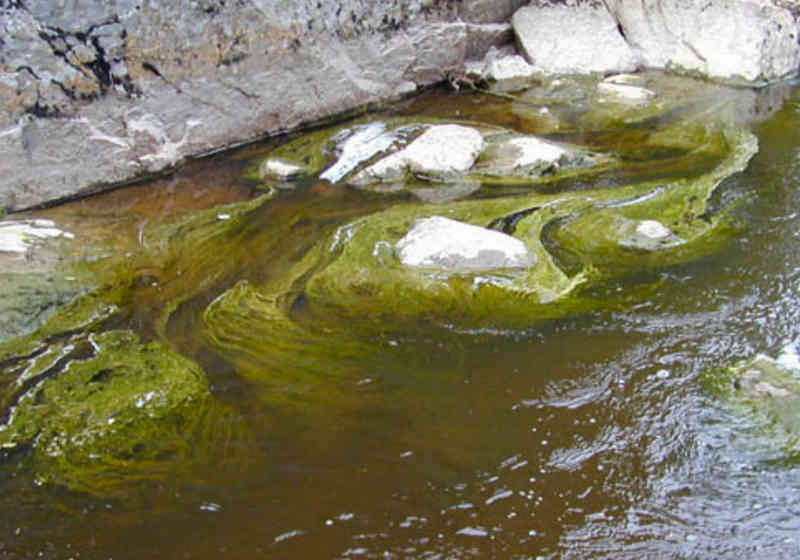
Over the past 20–30 years, Norway has done a great deal to reduce discharges of nutrients from agriculture, municipal waste water treatment and industry. Similar steps have been taken in much of the rest of Europe, and these also benefit Norway.
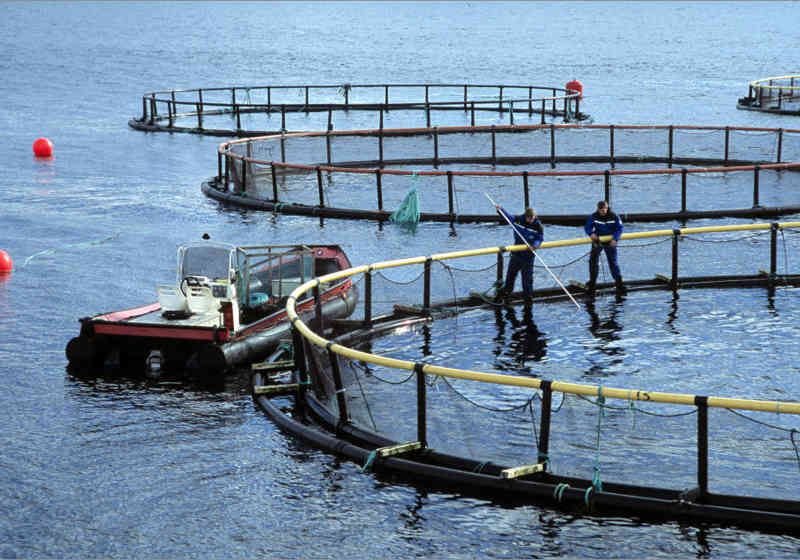
Important sources: fish farming, agriculture and waste water
Last updated:
Norwegian coastal waters can be divided into four main areas: the Skagerrak, the North Sea, the Norwegian Sea and the Barents Sea, with different levels of nutrient inputs.